
Details verified 14 August 2026
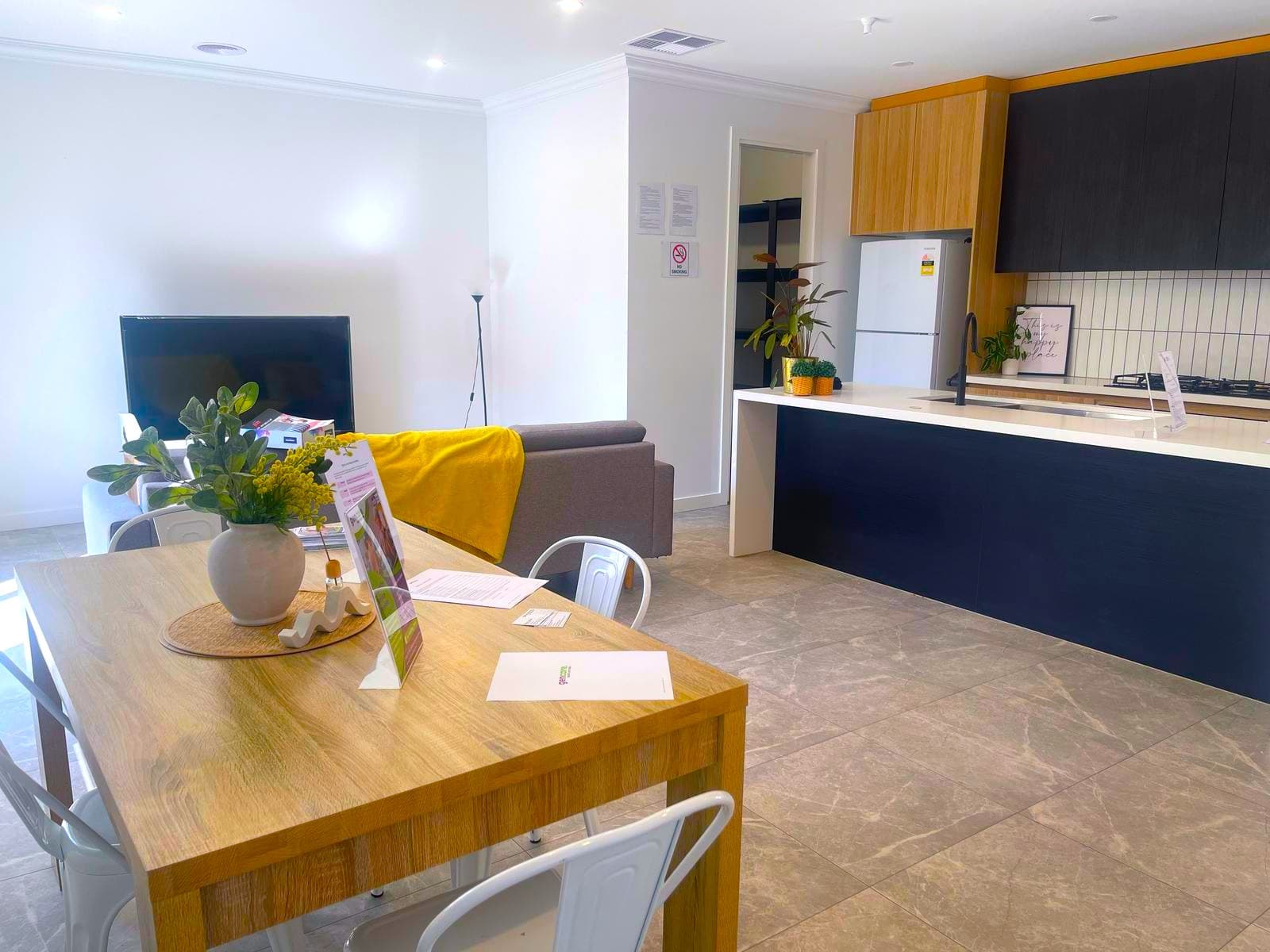
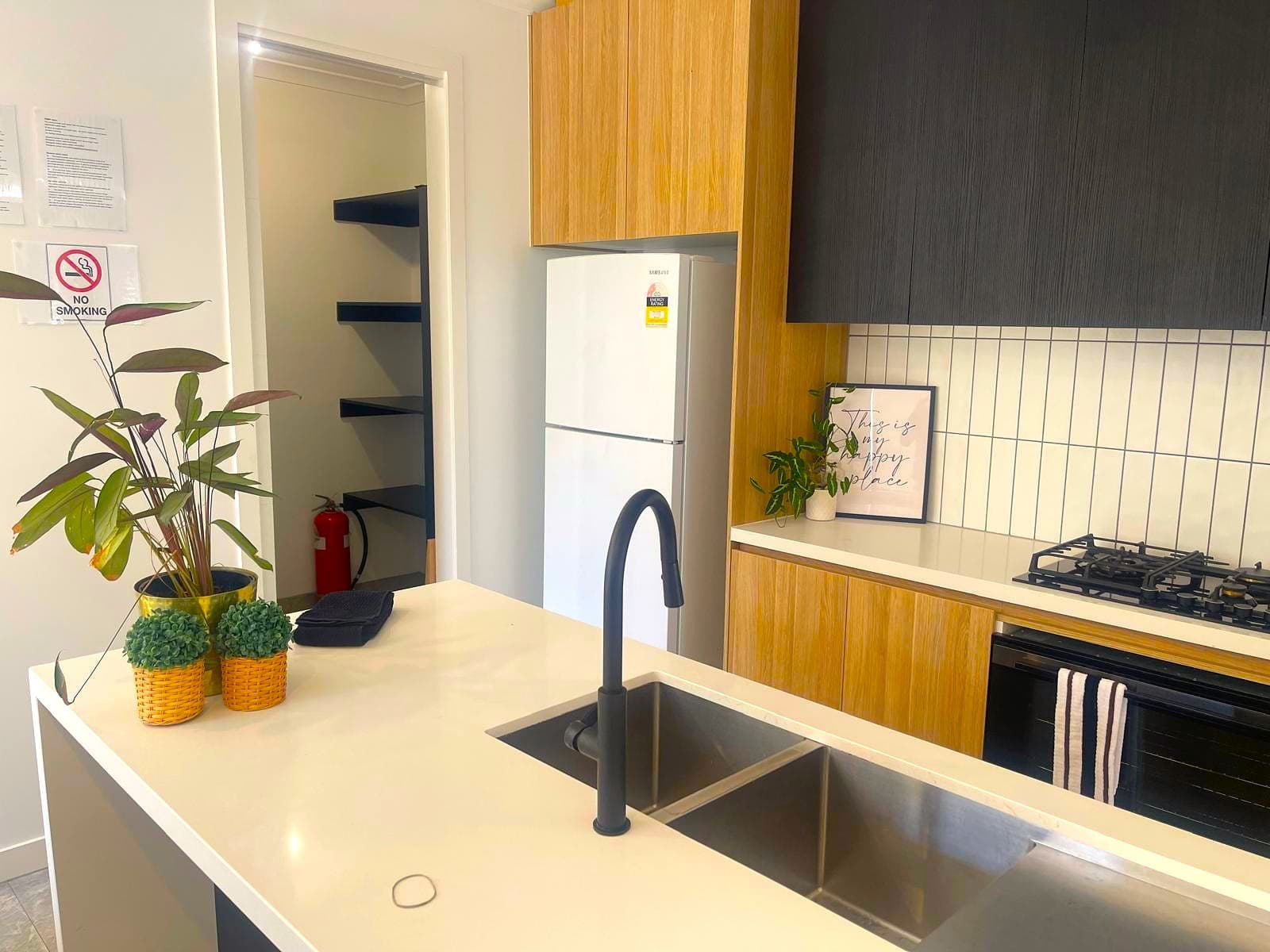
The Deanside home
Deanside · Melbourne’s west
A larger shared home — four bedrooms, and a house that is genuinely busy.
- Bedrooms
- 4
- Bathrooms
- 2
Wherever you are in Melbourne — you are in the right place.

Registered NDIS provider in Melbourne
Support at home, in your community, or in a home of your own.
A local team who knows your suburb, your services and how your week works.
Free Meet & Greet—no cost to talk it through.1300 247 788·Mon–Fri 8am–6pm
NDIS Reg. 405 016 1543ABN 32 667 401 872Check us on the NDIS register(opens in a new tab)
We work right across Melbourne
Suburbs our teams are already in — ask us about anywhere else.
Everything below is either a public register you can search or a page of reviews you can read. There is no number on this page that we cannot show you the source for.
All four are conditions of NDIS registration, not separate claims we are making about ourselves.
The NDIS Quality and Safeguards Commission handles complaints about any registered provider, including this one. You do not need our permission and it never affects the support you receive.
If a provider quotes you a figure they cannot source — participants supported, response times, satisfaction scores — ask them where it comes from. We would rather you asked us that too.
Look us up on the NDIS Commission register (opens in a new tab)Tell us which one you are and this page will point you at the parts written for you. Nothing is saved and nothing is sent — it only changes what is highlighted while you are here.
Which of these is closest to you?
Not sure, or more than one? Everything on this page stays exactly where it is either way — the paths only move the emphasis.
Getting to an appointment from Fitzroy is a tram ride. From Pakenham it is an hour and a car.
Both are Melbourne. They are not the same problem, and a support plan that treats them as one quietly fails the person living at the far end of it. Three things change with the postcode, and none of them is about who the provider is.
The same appointment
How far a support worker realistically comes, and how often. It is the difference between a support that happens five mornings a week and one that happens when it can.
A Victorian terrace, a 2019 townhouse and a growth-corridor house are three different accessibility problems. Steps at the door, a hallway too narrow for a walker, and a bathroom built for a different decade are not solved the same way.
Appointment density, transport, and whether there is anything within walking distance. Inner Melbourne has too many services to choose between; the growth corridors often have the opposite problem.
Drawn to the shape of each difference, not to a measurement — the same rule the journey above follows.
Travel time, housing type and which health services you already use all change how support is rostered and delivered. That is why we organise the city into five local areas rather than treating it as one block.
Five areas, drawn at their true bearings from the city. They are the same size here because they are treated the same way — the gap to the south-west is Port Phillip Bay, not a limit on where we work.
These are the suburbs already named on our record — not the limit of where we work. Tell us your suburb and we will tell you what we can put near you.
Ask about your suburbFifty-two Melbourne suburbs are named on our record. If yours is one of them we will say which area it sits in; if it is not, we will say that too rather than guess.
56suburbs named on our record
No fuzzy matching, on purpose. If we are not certain a suburb is on our record we would rather say so than let a near-miss read as a yes.
Three of them are in Melbourne and one is not. All four are real premises with a street address you can look up, which is a different kind of claim from a service area on a map.
You probably will not need to visit any of them. Support happens where you live, and almost everything else happens by phone. They are listed because a business with premises you can find is easier to check than one without.
A local base for the team working in that area. Visits by appointment.
A local base for the team working in that area. Visits by appointment.
Registered office and admin — not a place support is delivered from.
Regional Victoria, not Melbourne — listed because it is ours, not because it is here.
Coverage is usually answered yes or no. That is not the useful question. The useful question is what a week actually costs you where you live — because that is what decides whether a plan survives contact with a Tuesday.
How to read the two days
Trams every few minutes, three lines within walking distance
Three appointments, three short trips, and most of the day still your own. A missed connection costs the next tram, not the appointment.
One train line, a connecting bus, and a car for everything else
The same three appointments, and the day is now mostly the getting there. A missed connection does not cost you a wait — it costs you the appointment.
None of this makes one part of Melbourne a worse place to be supported. It makes it a different job — and a plan built by somebody who has not thought about it is the one that fails.
How the five areas differAccommodation is the one part of what we do that is tied to a building, so it is the one part we can show you rather than describe. These are real rooms in real Gencare homes, photographed on the date shown.
Seven Gencare homes. Two photographed. Every one of them in Melbourne’s west.
Deanside · Melbourne’s west
A larger shared home — four bedrooms, and a house that is genuinely busy.

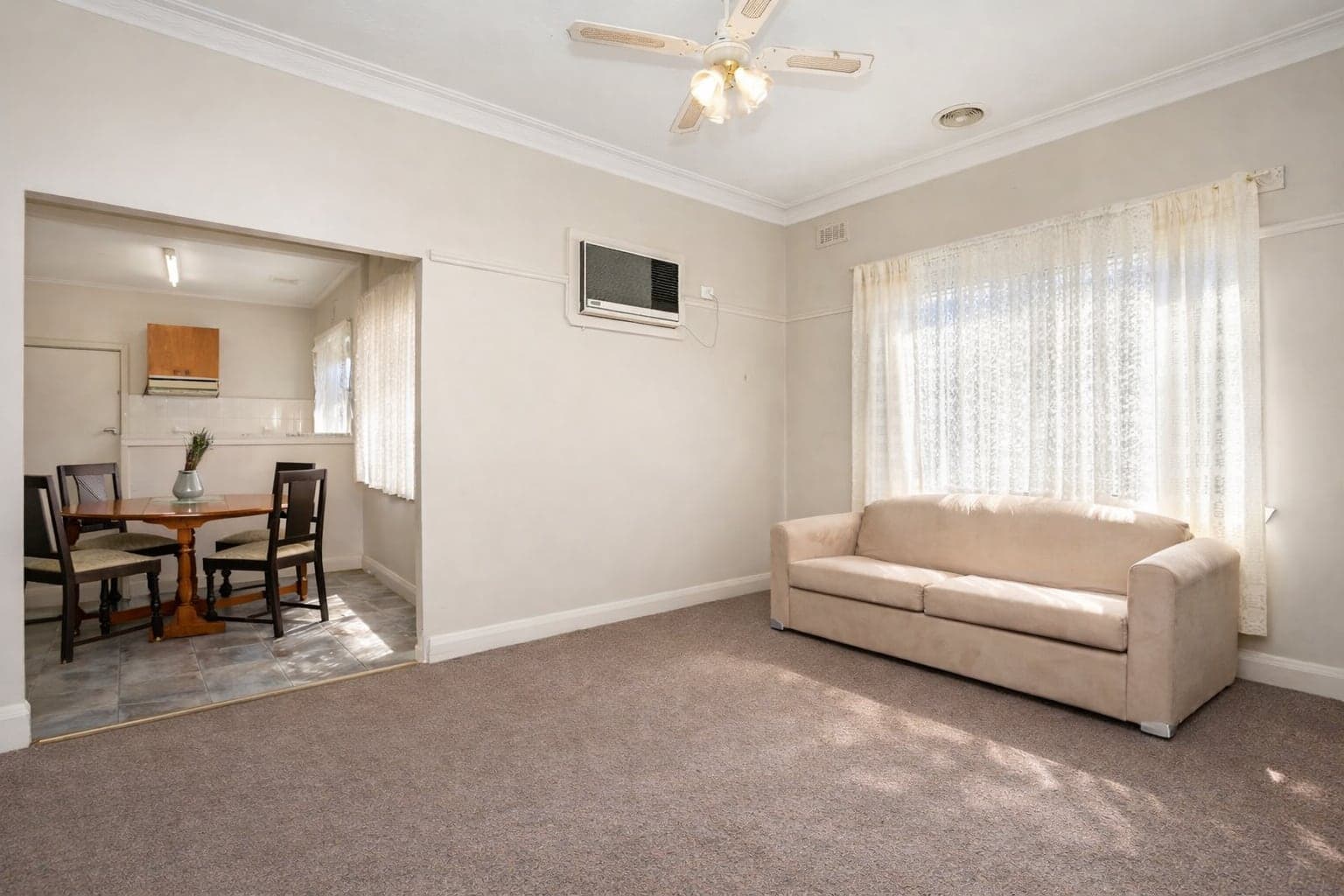

Albion · Melbourne’s west
A deliberately quiet home — two participants only, for someone who needs calm.
The other five are not photographed yet. We would rather show you nothing than show you someone else’s house — ask us and we will walk you through any of them in person.
Ask about a homeSeven homes is a number. One house you can walk through is not. This is the one we have documented properly — every room photographed, nothing staged and nothing borrowed.


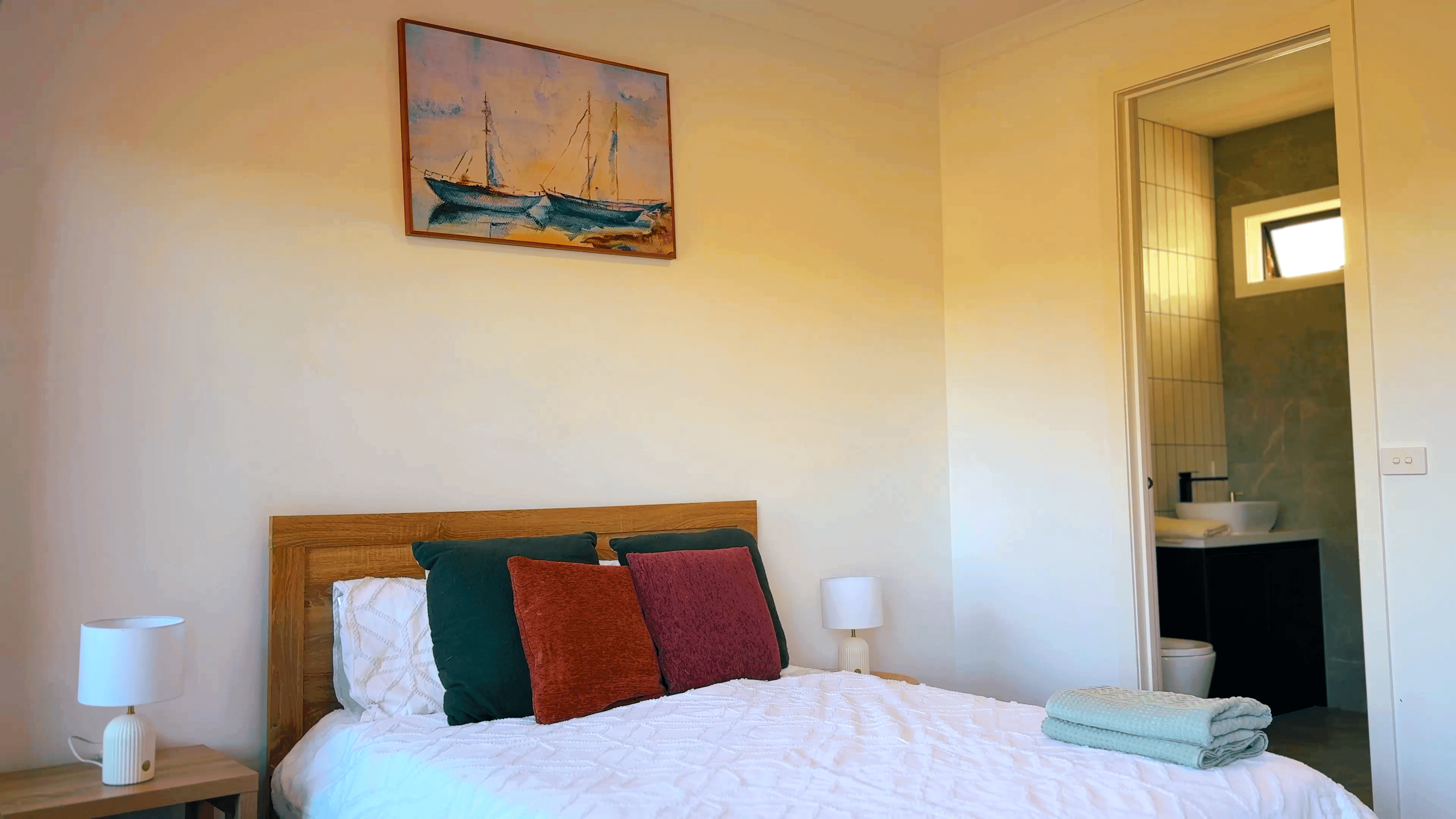
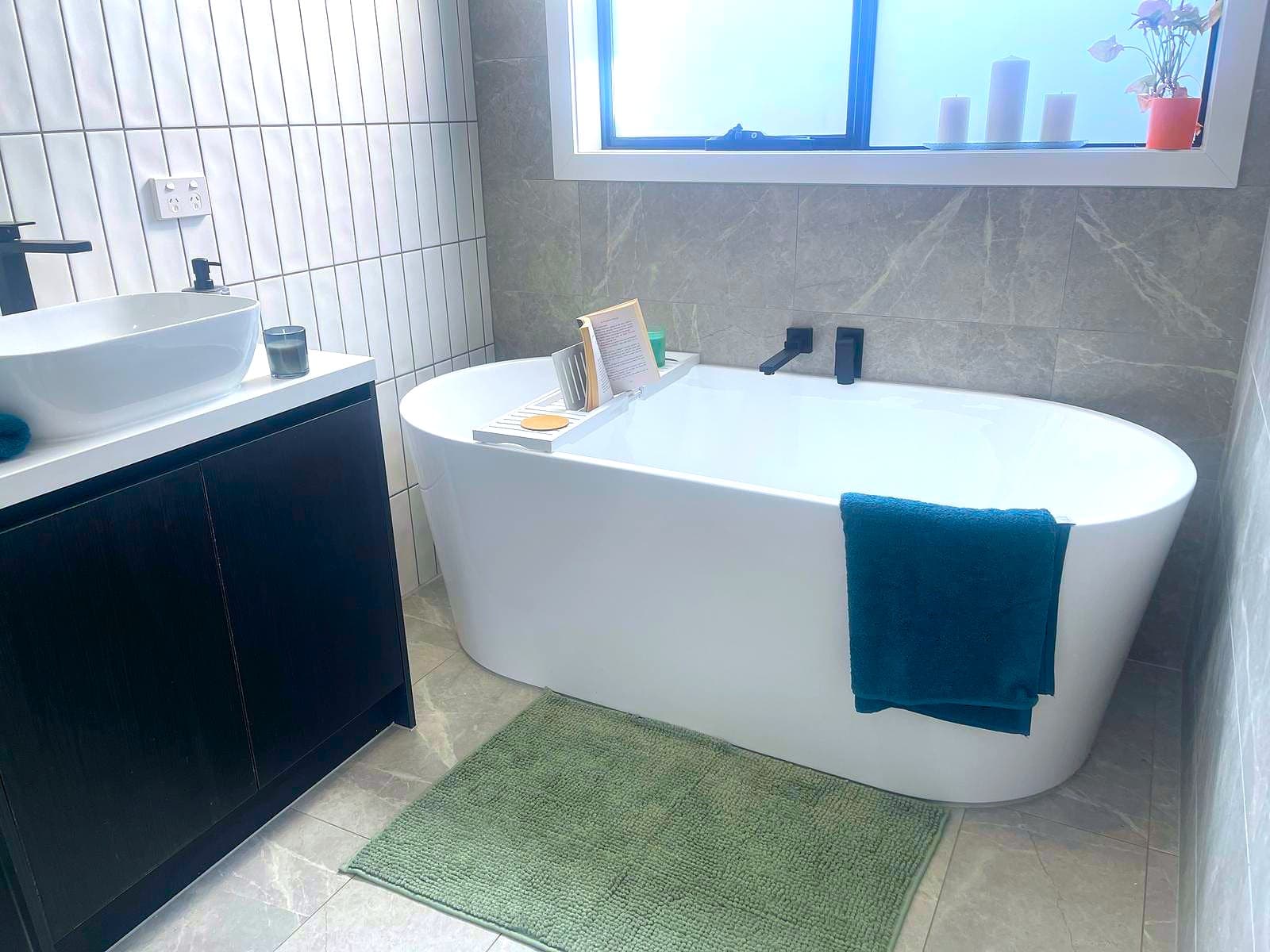
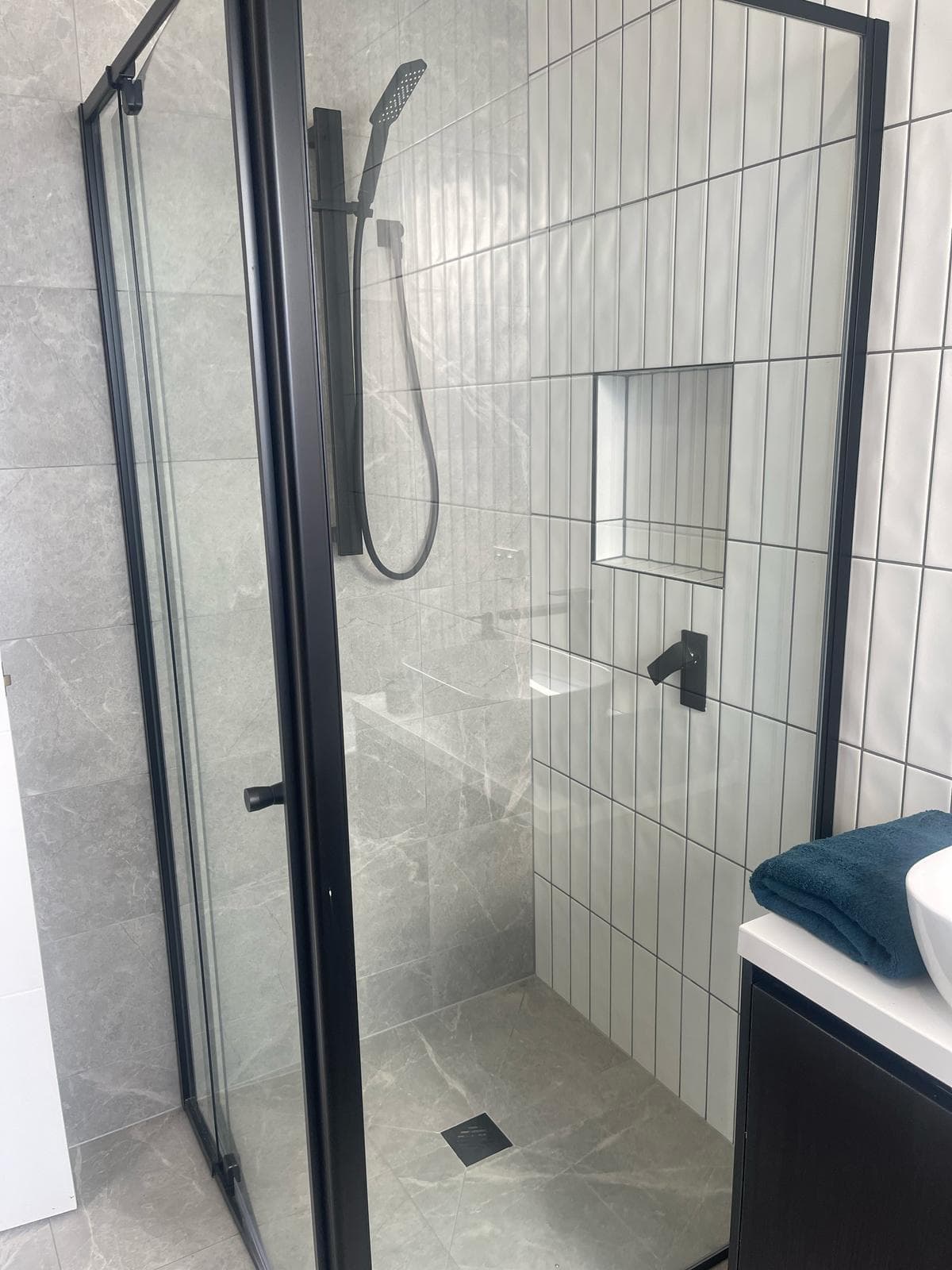
Photographs flatten a house. A walkthrough shows you the light, the width of the hallways and how the kitchen actually sits in the room.
Filmed in one of our homes. Captions are available through the player; a full written transcript is on its way.
That changes week to week, and a number published here would be out of date before you read it. Ask us and you will get the real answer for the week you are asking in.
The full Deanside home pageWhat Supported Independent Living is
Two of our homes are photographed. Five are not, and here they are by name — because a page that shows you two houses and stops has told you something, and a page that shows you two and names the other five has told you the truth.
We could put a stock photograph of somebody else’s house here, or a placeholder, and the row would look complete. Neither would be one of our homes. A named suburb with nothing beside it is worth more than a picture that is not true.
A photograph holds a room still. It cannot show you how wide a hallway really is when somebody walks down it, or what a coordinator sounds like explaining your own plan back to you. These are all ours, every one of them is under a minute, and none of them loads anything until you ask it to.
One of the five you were just told you cannot see
The section above names the homes we have no photographs of. This is one of them, walked through end to end. We still have no still of this house — which is why the picture you are looking at is drawn rather than photographed.
Captions are available through the player. A written transcript is not available for this video yet. Clip verified 20 August 2026.
Every one of these answers something this page has already raised, and says which part of the page it belongs to.
All nine, back to back5:44
Every clip carries captions through the player. Written transcripts are not available yet — said here rather than left for you to discover.
Nothing from YouTube runs until you press play. When you do, the player loads from youtube-nocookie.com, so no third-party cookie is set before you have chosen to watch.
This is the question underneath most of the others, and it is rarely asked out loud. Both answers are below, side by side and the same size, because which one is right is not ours to decide.
Someone whose house works, or could be made to work, and whose problem is the help rather than the place.
Support workers and nurses who come to you — daily living and personal care, household tasks, community access, transport, and rostered support overnight or around the clock when that is what is needed.
It does not mean managing alone with occasional visits. A full roster in someone’s own home is a normal arrangement, not a compromise.
Someone ready to live away from family, or whose current place cannot be made to work however much support arrives.
Supported Independent Living in a shared house, Specialist Disability Accommodation where the building itself has to be designed around a disability, and medium-term or short-term stays while things are being sorted out.
It does not mean giving up choice about where or with whom. It is also not immediate — a house has to be the right house, and every home we run is in Melbourne’s west.
Most of what the NDIS funds happens in the home somebody already lives in.
Accommodation is one part of the scheme, not its centre. So the honest starting point is that you probably do not have to move — and if you want to, that is a separate conversation rather than the price of getting help.
None of that is in anybody’s plan. It is still most of the work.
None of these is a silly question. They are the ones that actually come up, in the words people actually use — and every one of them is answered further down this page.
Not a good day and a bad day — the same Tuesday, run twice. On the left, a household holding all of it. On the right, the same household with support in place. The difference is not that anything wonderful happens. It is that nothing has to be absorbed.
Illustrative. This is nobody’s real day and nobody here is a real person — it is the shape the difference usually takes, written from the situations families describe to us.
Awake before the alarm, already sorting the day out in your head: who is taking her to the appointment, and whether the shower is a two-person job again.
Awake before the alarm. Who is coming at eight is already decided, so that part of the day is not yours to solve.
The shower takes most of an hour and all of your back. Breakfast runs late, so the tablets run late, so the morning is behind before it starts.
A support worker arrives. The shower takes as long as it takes, and it is not your back doing it.
You start the phone calls. The plan manager, then the OT’s receptionist, then the transport line somebody told you to ring, then the plan manager again.
Somebody else makes those calls. You hear what came of them once, at the end of the day, in one message.
Lunch standing up at the bench. The physio is at two and you still have not worked out where to park.
Lunch sitting down. Transport was sorted on Friday and somebody else is driving.
The appointment runs long, so the pick-up is a problem, so you ring your sister again and feel the same way about it you felt last time.
The appointment runs long. Nothing else moves, because nothing else was depending on you being back by four.
Dinner, medication, the washing, and the form that has been sitting on the bench since this time last week.
Dinner. The form went in on Monday, done by the person whose job it is.
You are still up. Tomorrow is the same shape as today, and so is the day after that.
You are sitting down. Tomorrow has a roster, and it is not written in your head.
Drawn to the shape of the difference, not to a measurement. What gathers under the day is one household holding every hour it has already reached; what lifts off the day is the same hours, one at a time, carried by somebody else.
Nothing in the right-hand column is remarkable, and that is the point of it. A supported day is not a better day than the one you imagined for yourself — it is an ordinary one that did not need a single person to hold all of it.
What support actually coversThe rest of this page is the practical part. Take it at your own pace.
This is the question underneath all the others and almost nobody answers it plainly: what does someone actually do when they are here? These are real tasks, in the order a day tends to happen.
Which of these happens, and how often, is built around what you actually need — not a package. Nothing here is a fixed roster.
Getting the day started
Out of the house
Winding the day down
When the day does not stop
Most people arrive certain of one of two things: that they need everything, or that they are nowhere near bad enough to ask. Both ends of this range are ordinary, and most people are somewhere in the middle.
None of this is fixed. What you need changes, and the level changes with it — usually at a plan review, and sooner if something happens.
This describes what support looks like at each level. What you are funded for is the NDIA’s decision, not ours, and nothing on this page changes it.
Usually called personal care or daily living support
A visit at roughly the same time each day — mornings most often. Getting up and dressed, medication prompts, breakfast, and the day started properly.
Often people for whom one reliable part of the day makes the rest of it work.
None of this vocabulary was chosen by the people who have to use it, and not knowing a word is the most common reason somebody accepts the wrong support. One sentence each, and where to read more.
These are one-sentence definitions written to get you through a phone call. Each one links to the full explanation, and the NDIS website is always the authority over anything on ours.
When it matters — It is funded separately from the house itself, which is why you can be offered SIL without being offered anywhere to live.
Read the full explanationWhen it matters — Very few people are funded for it, and it is a separate decision from SIL — having one does not give you the other.
Read the full explanationWhen it matters — It exists for the gap. It is not emergency housing and it is not permanent.
Read the full explanationWhen it matters — It is counted in days rather than hours, and it can be for the carer’s sake as much as the person’s.
Read the full explanationWhen it matters — It is the lightest of the three levels and usually the one a first plan comes with.
Read the full explanationWhen it matters — A coordinator organises support; they do not deliver it, and they do not manage the money.
Read the full explanationWhen it matters — It is time-limited and goal-specific rather than a permanent upgrade.
Read the full explanationWhen it matters — They are not interchangeable. Money in one budget generally cannot be spent from another, which is why a plan can feel both generous and useless at once.
When it matters — It decides which providers you can use. NDIA-managed means registered providers only; the other two open it up.
Read the full explanationWhen it matters — You are allowed to ask whether the person in your house holds one. The answer should be immediate.
When it matters — Read the notice period before you sign. It is the part that decides how easily you can leave.
Most people arrive knowing what they are struggling with, not what the NDIS calls it. So here is the whole range, grouped by what each support actually needs in order to happen — and said the way you would say it.
Needs nothing physical
Phone, video, email and advocacy
Someone who knows how the scheme works and will chase things on your behalf. None of it depends on a worker being near you, so it reaches every part of Melbourne equally.
4 supports
Needs someone who comes to you
A support worker or nurse, in your home and your community
The hands-on supports — help through the day, getting out into the community, and clinical care at home. This is the largest part of what we do.
13 supports
Everyday support
Clinical care, at home
Needs a building
One of ours, or the place you already live
The only supports tied to a building. Our seven homes are all in Melbourne’s west; the rest of this tier is delivered wherever you live.
5 supports
Not sure which of these fits? That is the normal starting point, and it is exactly what a first conversation is for.
Tell us what you needNot knowing what a support is called is the most common reason people stall. Answer three plain questions and this hands you one to three named supports, what each one is, what it is not, and where to read more.
Step 1 of 3
This routes, it does not assess. Nothing here decides funding, eligibility or what goes in a plan — only the NDIA does that. It gives you the right words to use. See all 22 grouped by what each one needs.
Every support we provide, in the four groups the sector uses. One line each — each one links to a page that explains it properly.
Support coordination and recovery coaching toward your goals
Day-to-day care that builds independence
SIL, SDA and specialist accommodation supports
Nursing and mental health support
All twenty-two are available across metropolitan Melbourne.
Most supports work the same way wherever you are. These five do not — where you live in Melbourne genuinely changes the answer, so each one has a page of its own.
A provider that cannot tell you what it is not is hard to believe about what it is. If any of these is what you actually need, the useful thing we can do is point at it.
A plan manager pays your invoices and keeps your budget straight. It is deliberately a separate organisation from the one delivering your support, so that nobody is both spending your funding and approving the spend.
Instead
Choose any registered plan manager — you are free to, whoever provides your support.
That is the NDIA’s decision, start to finish. Nobody at Gencare can approve, increase or guarantee funding, and anybody in this sector who implies otherwise is worth walking away from.
Instead
Support Coordination helps you use the plan you already have, once the NDIA has made it.
Our office keeps ordinary business hours. If something is happening right now, please do not wait for us to open — the services below are staffed for exactly this and we are not.
Instead
In an emergency call 000. For distress or a mental-health crisis, Lifeline is 13 11 14, any hour.
These are the ones that actually separate providers, and they work on anybody — us included. Our own answers are beside them, because a list we would not answer ourselves is not worth handing you.
Will I meet the person before they start, and can I say no afterwards?
Screening decides who is allowed to work. It does not decide who walks into your house.
Yes to both. Asking for a different worker is not a complaint, costs you nothing, and needs no reason.
How somebody ends up inside your homeHow many support workers do you have, and how many speak my language?
Most providers answer with a number. The useful follow-up is where the number comes from.
We publish neither, because we have no verified figure for one and no verified list for the other. What we do instead is ask what would suit you, and say so when we cannot match it.
Matched to you, not assignedHow do I complain about you, and who can I go to instead of you?
Any provider can describe its own complaints process. The second half of the question is the half that separates them.
Two routes, and one of them is not us. The NDIS Commission takes complaints about any registered provider without our permission and without telling us.
Two ways to raise itWhat are your hours, and what happens outside them?
An office and a roster are two different things, and a single answer usually hides which one is meant.
Our office keeps ordinary weekday hours. Rostered support runs to whatever a plan sets, including overnight. We are not a crisis service — in an emergency call 000, and Lifeline is 13 11 14, any hour.
Three things we do not doWhat is your registration number, and where do I check it?
Registration is a public record. A provider that cannot point you at it is asking you to take its word.
It is on this page, with the ABN beside it. The Commission’s register is the authority — if it ever disagrees with us, it is right and we are wrong.
What being registered obliges us to doCan you show me somewhere you actually run?
A photograph of a real house is a different kind of claim from a service area drawn on a map.
Two of our homes are photographed room by room, every one of them is in Melbourne’s west, and we name the ones we cannot show you rather than filling the gap with stock.
And the ones you have not just seenNone of these needs a professional to answer, and a provider that finds any of them awkward has told you something useful.
A longer version, for coordinators specificallyNone of these is a silly thing to believe — most of them came from somebody who sounded like they knew. They are also, between them, the most common reasons people never ring anybody.
What people say: Getting support means moving into supported accommodation.
Actually: Most people we support live exactly where they already lived. Accommodation is one of twenty-two supports, and it is the least common starting point.
Read more about where people actually live, further down this pageWhat people say: You have to use whichever provider your support coordinator suggests.
Actually: You choose, always, and you can change your mind later without giving a reason. A coordinator is required to offer you options rather than direct you to one — including away from us.
Read more about choosing your own providerWhat people say: Changing provider restarts your plan.
Actually: Your plan is the NDIA’s and it keeps running. Changing who delivers a support changes the service agreement, not the plan, the funding or the dates.
Read more about changing provider, further down this pageWhat people say: The provider decides how much funding you get.
Actually: No provider anywhere decides that. The NDIA sets your plan and its budgets; we can explain what we see in it, and that is the whole of our role in it.
Read more about who decides funding, further down this pageWhat people say: Respite means being sent away somewhere.
Actually: Short-term accommodation is one form of it. A break can also be somebody coming to you so the usual carer gets a night, a weekend, or a regular afternoon off.
Read more about what respite can look likeWhat people say: Asking for a different support worker is making a complaint.
Actually: It is a normal request and it is not held against anybody. Personality fit is a real part of whether support works, and a provider that treats the ask as a complaint is the problem.
Read more about asking for a different workerNot a leadership grid. These are the three roles a person or a family deals with most, and what each of them is actually for.
No photographs and no names on this page. We have not asked our team for consent to publish their faces here, so we have not published them — and a stock photograph of somebody who does not work here would tell you less than nothing.
When something needs solving
The person who knows the whole situation, so you are not re-explaining it every time. They find and join up the services, chase the things that stall, and are the one to ring when you do not know who to ring.
Day to day
The people who actually turn up. Usually a small consistent group rather than whoever is free, because support that depends on knowing somebody does not survive a rotating roster.
Least of the three
Scheduling, invoicing, screening and the paperwork nobody wants to think about. You will deal with them least and notice them most when something is wrong.
The office team is not who comes to your house. Who does, and how they were checked, is the next section — it is the question that actually matters.
This is the part most people are too polite to ask about, and it is the most reasonable question on this page. Here is the whole sequence, and what happens if it does not work out.
A national clearance every worker in a risk-assessed role must hold before working with you. It is checked against a register, not taken on trust, and it can be revoked.
Verified documents, so the person on the roster is the person who was cleared.
Previous employment checked with the people who actually supervised the work.
Clinical and high-intensity roles require specific competencies. Where a role does not require one, we do not pretend it does.
Who is free is the last consideration, not the first. Language, gender preference, the shape of the household and whether somebody has done this kind of support before all come first.
Say so. You do not need a reason, you do not need to explain it, and you do not need to wait until something goes wrong. We change the roster.
If it is more serious than a mismatchScreening decides who is allowed to work. Matching decides who actually turns up at your door, and you get a say in it. These are the things people ask us for most often.
Nothing here is sent anywhere. It is not a form — it is a sentence you can borrow.
Tick a few and this will write out what you would be asking for.
We cannot always promise a specific match, and we will tell you when we cannot rather than sending somebody who does not fit and hoping. Where we cannot, we will say what we can do instead.
“Registered NDIS provider” is a phrase on a lot of websites. It is worth knowing what it commits an organisation to, and who you can go to when it does not hold up.
The register is the Commission’s, not ours. If what it says ever differs from what this page says, the register is right.
Registration is not a form you file once. It is granted after an independent audit against published standards covering governance, risk, incident management and the rights of the people supported — and it has to be renewed.
It applies to the organisation and to every worker in it, individually. It covers safety, honesty, respect, privacy, and acting promptly on concerns — and a worker can be banned under it regardless of what their employer thinks.
Anybody can complain about a registered provider directly to the NDIS Quality and Safeguards Commission. You do not need our permission, you do not have to tell us, and it cannot affect the support you receive.
Twenty-two reviews is not a lot, and we are not going to dress it up. There is also no Melbourne participant story on this page, because we do not have one that a person has consented to publish — and we are not going to write one.
A testimonial you cannot check is worth nothing anyway. What is worth something is what happens when we get it wrong, and that is a page you can hold us to.
What we do when it goes wrongThe NDIA sets what supports can cost, the limits are public, and they are the same whoever you go to.
Which means the price is not the thing to compare between providers — the work is. Below is what actually differs, which is how your plan is paid from, because that is the part that decides who you are allowed to choose.
The figures live there and only there. We do not copy them onto this page, because a price that is three months out of date is worse than no price at all when somebody is budgeting against it.
Link checked 10 September 2026
| How the plan is paid from | What it means | Who you can choose | Who does the paperwork |
|---|---|---|---|
| NDIA-managed | The agency pays your providers directly. | You can only use NDIS-registered providers. Gencare is one, so this works — but it is the narrowest of the three. | Nothing to claim and nothing to reconcile. The agency handles all of it. |
| Plan-managed | A plan manager pays your providers from your plan on your behalf. | You can use registered and unregistered providers, which is the widest practical choice for most people. | The plan manager does the paperwork. Plan management itself is funded separately and does not come out of your supports. |
| Self-managed | You pay providers yourself and claim it back. | Anyone you like, and you can negotiate what you pay. | You keep the records and make the claims. The most control and the most work. |
A Meet and Greet costs nothing. It is a conversation, not a booking, and nothing is claimed against a plan for it.
You now know what the supports are. The next question is whether the money you already hold reaches them — and for a lot of people the answer is that it already does, in a part of the plan they had not looked at properly.
Needs nothing physical
Needs someone who comes to you
Needs a building
Only the NDIA decides what is in your plan. This shows where each kind of support usually sits — not what yours contains. If the two do not line up, that is exactly the problem support coordination exists to solve, and it is usually fixable without waiting for a review.
Checked against the NDIS’s own guidance · checked 10 September 2026
The hardest part is usually the first message, because nobody tells you what happens next. So here it is, in order.
And roughly what you are trying to sort out. You do not need the NDIS words for it — describing the problem in your own is enough to start.
In person anywhere in Melbourne, or online if that is easier. We listen properly, then explain what support could look like in plain language.
We look at what the support actually needs, who we have, and what your week really looks like. You meet the people before anything begins.
With a named person you can call when something changes — and something always changes. Adjusting the plan later is expected, not a complaint.
Nothing here is gated and nothing costs anything. If you get partway and decide we are not the right fit, that is a perfectly good outcome — we would rather you found the provider who is.
Book a free Meet & GreetHere is the whole of it. Four things happen, and the rest of the fortnight is your life carrying on — which is both the honest picture and, for most people, the reassuring one.
You tell us what is actually going on. No forms, no assessment, and nothing claimed against anybody’s plan for it.
You meet the people who would be doing the work, and you decide whether you want to keep going. Plenty of people stop here, and that is a real outcome rather than a failed one.
What is needed, how often, and who does it — written down and agreed before anything starts, so there is nothing to argue about later.
Somebody arrives and does the thing. Afterwards we ask you how it went, and change it if it was wrong — which it sometimes is the first time.
10of the fourteen days have nothing scheduled in them at all. Empty is not a gap in the plan. It is most of the fortnight.
It moves at your pace, not ours. Some households do all four of these inside a week; others take a couple of months over it, and nobody here will chase you through it.
Start the first conversationYou do not need a reason beyond wanting something better. If you have spent weeks feeling disloyal about even looking, that is the part to put down first — choosing who supports you is not a favour anyone grants you.
Choice and control over who supports you is yours under the NDIS. You can change provider, you do not have to justify it to us or to them, and nobody is entitled to talk you out of it.
Supports do not have to stop while you move. Dates get set so the last shift with them and the first shift with us line up, and anything clinical is handed over in writing rather than repeated from memory.
Drawn as a shape rather than a schedule. How long the overlap runs is whatever your agreement and your dates say, and this page will not put a number on it.
It is in the service agreement you signed, usually near the end. We will not tell you what yours is, because notice periods vary by provider and by agreement — but it is the one thing worth reading before you do anything else.
If you have a support coordinator, tell them you are changing provider and from when. Arranging it is their job, and they are not permitted to steer you toward anybody in particular.
Plenty of the people we support arrived this way. It is an ordinary administrative decision, and nobody here will ask you to explain it or say a word about where you have been.
This is here before we ask you for anything, because knowing how to leave is part of deciding whether to start.
By phone, by email, through the form, or in person to whoever you already deal with. You do not need to use the word “complaint”, and you do not need it in writing.
What helps us look into it
The NDIS Quality and Safeguards Commission takes complaints about any registered provider, including this one. You can go to them at any time, you do not have to tell us first, and you do not have to have raised it with us at all.
Worth knowing
An enquiry gives us your name, your contact details and whatever you choose to write. It is used to answer you and to arrange support. It is not sold, and it is not used for unrelated marketing.
Six that come up on nearly every first call. If yours is not here, it is a good question to open a conversation with.
Ask us yoursWe support participants across metropolitan Melbourne, organised into five local areas — Inner Melbourne, Northern Melbourne, Eastern Melbourne, South-Eastern Melbourne and Western Melbourne. The west is where we are headquartered and where our largest team works. Pick the area closest to you for suburb-level detail, or just tell us your suburb and we will confirm what is available.
No. Almost everything we do happens where you are — in your home, at your appointments and out in your community. We have a head office on Flinders Street and local bases at Albion and Fraser Rise if you would like to meet somewhere neutral, but plenty of people never visit one, and that is completely normal.
The standard is. The practicalities are not. Travel time, housing type and which health services you already use all change how support is rostered and delivered, which is exactly why we organise the city into local areas rather than treating it as one block.
Often, yes. Melbourne is one of the most linguistically diverse cities in the world and our workforce reflects that. Tell us what matters to you — language, culture, gender, background — at your Meet and Greet, and we will build your team around it rather than assign whoever is free.
Yes, and you do not need a reason beyond wanting something better. Choice of provider is yours under the NDIS. Check any notice period in your current service agreement and we will coordinate the handover so your supports carry on without a gap.
It depends on the support and the suburb. Support Coordination and Recovery Coaching can usually start quickly because they are not tied to a local roster. Hands-on supports depend on matching you with the right worker near you, which we would rather do well than fast. We will give you a realistic timeframe at your Meet and Greet rather than an optimistic one.
Two taps, then a few details — the ones we genuinely need in order to be useful. You do not have to know what the support is called, and you do not have to have it worked out.
First — who are you?
Either doorA Meet and Greet costs nothing and commits you to nothing.
Monday–Friday, 8am–6pm AEST
Prefer something more structured? There is the full referral form, or our contact page.
Most people reading this are not deciding today, and that is a completely normal place to be. Nothing here asks you for anything.
Whenever you are ready — and if that is not this year, that is fine too.
Established suburbs, fast-growing edges, and long distances between them.
Northern MelbourneEstablished suburbs, strong services, and a lot of ground to cover.
Eastern MelbourneAustralia’s fastest-growing corridor, and one of its most diverse.
South-Eastern MelbourneGencare Disability Services · NDIS registration 405 016 1543