
Supported Independent Living in Melbourne’s west.
Seven homes, all within about half an hour of each other, and a team that has been working these suburbs since Gencare started.
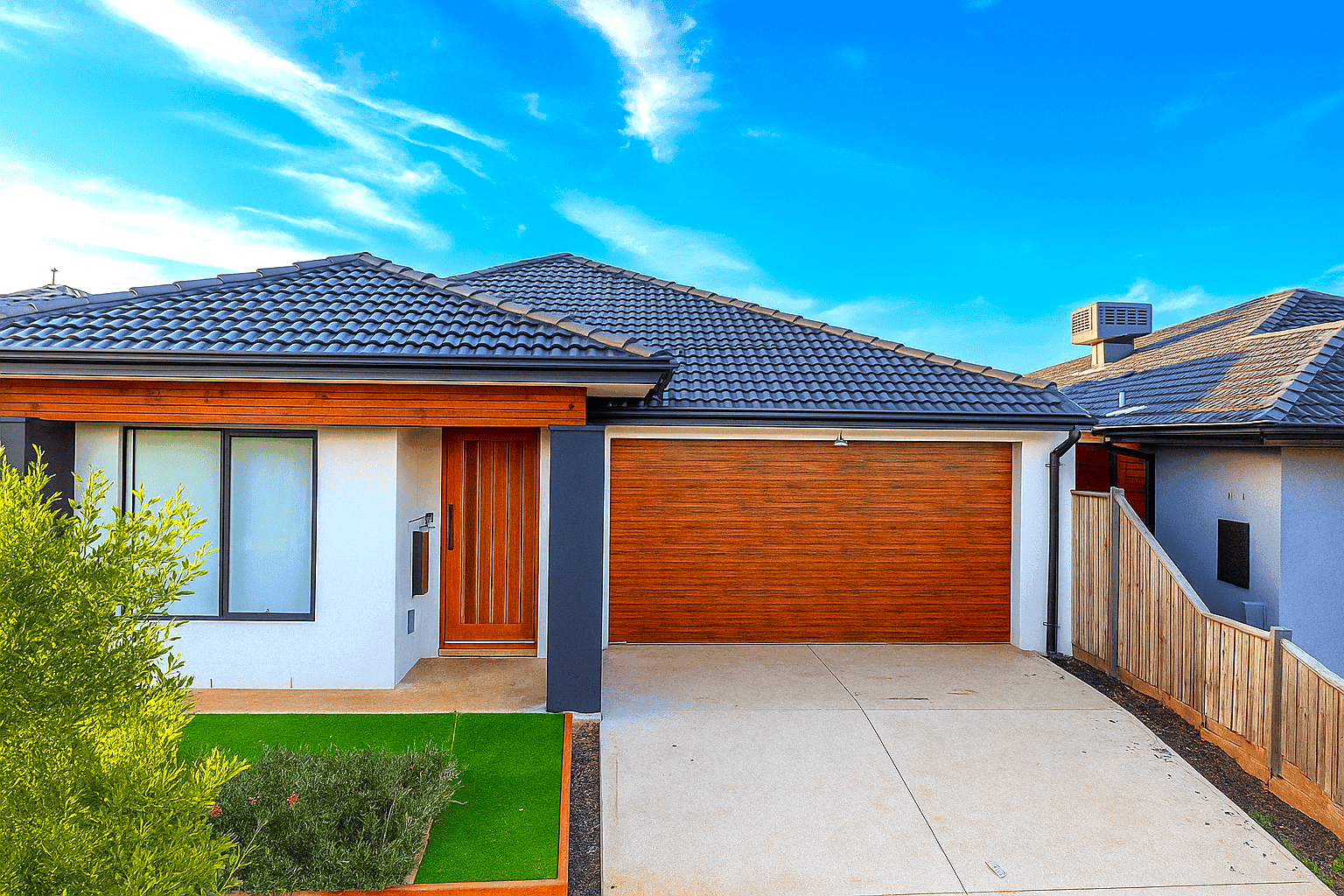
The Deanside home, photographed August 2026.
Why supported living works differently out here
Every SIL home Gencare runs is in Melbourne’s west. Deanside, Albion, Fraser Rise, Melton, Cobblebank, St Albans and Tarneit — seven houses, all within roughly thirty minutes of each other, which is the single most useful fact about supported living out here. Housemates can move between homes if a household is not working. Support workers know more than one house. Nobody is driving ninety minutes to cover a shift, which is usually why rosters fall apart.
The west is also where our two local bases are, at Albion and Fraser Rise, and where our largest team works. That means the practical parts of SIL happen faster here than anywhere else we operate — looking through a home, meeting the people already living there, working out whether the household actually suits you before anyone signs anything.
None of these homes are SDA-registered. If your plan is built around SDA funding for a purpose-built dwelling, these are not those homes, and we would rather say so on the first call than the fifth. What they are is ordinary houses in ordinary streets, with the support built around the people inside them.
Not a render. Not a similar property.
These are photographs of homes people live in right now. Every other region on this site gets words, because words are all we can honestly offer there.
Showing The living area — Deanside. Select any room to bring it forward.
How this works in Western Melbourne
Step by step, at the pace it actually happens.
- Step 01
Tell us who you are
Not your diagnosis. What you like doing, what winds you up, whether you want a busy house or a quiet one.
You are asked about your life, not your file
- Step 02
Come and look
Walk through one or more of the seven. Open cupboards. Sit in the lounge. A tour you cannot ask questions on is worth nothing.
You see the actual room before you decide
- Step 03
Meet the housemates properly
A meal or an afternoon, not a five-minute handshake. Both sides get to decide, which is the part most people are not offered.
You get a say in who you live with
- Step 04
Try it before you commit
A short stay first is normal and encouraged. Changing your mind afterwards is allowed and costs you nothing.
You can change your mind without cost
Tell us who you are
Not your diagnosis. What you like doing, what winds you up, whether you want a busy house or a quiet one.
You are asked about your life, not your file
Step 1 of 4 · scroll to follow the journey
A home is not just where the support turns up. It is who else is in the kitchen at seven in the morning.
Western Melbourne, place by place
A full-service team supporting participants right across the western suburbs and Wyndham growth corridor, including:
- Footscray
- Sunshine
- Werribee
- Point Cook
- Tarneit
- Hoppers Crossing
- Melton
- Harkness
- Caroline Springs
- St Albans
- Deer Park
- Williamstown
- Altona
- Yarraville
- Braybrook
- Maribyrnong
- Wyndham Vale
- Truganina
- Sunshine West
- Derrimut
- Laverton
Not the edge of where we work — the places our coverage is already on the record for. Tell us your suburb and you will get a straight answer.
Supported Independent Living in Western Melbourne, answered
All of them — Deanside, Albion, Fraser Rise, Melton, Cobblebank, St Albans and Tarneit. Deanside and Albion are documented in full on the site, including photos. The other five are operating, and we are still writing up their details properly rather than guessing at them. Ask us about any of them and we will tell you everything: bedrooms, access, who lives there now and what is open.
Yes, and we would encourage it. Reading about a house tells you very little about whether you could live in it. Because the homes are clustered in the west you can realistically see more than one in a day, meet the people already living there, and take the time to think about it afterwards.
No. None of our SIL homes are SDA-registered dwellings. SIL is the support inside a home; SDA is funding for a purpose-built home itself, and they are different parts of a plan. If your plan is built around SDA, we will tell you honestly that these are not those homes, and help you look at options that are — including ones that are not ours.
You tell us, and we work it out. That is a genuine advantage of having seven homes close together rather than one house somewhere: there is somewhere else to move without leaving the area, your job, your appointments or the people you know. Living with the wrong housemates is a real problem and we would rather fix it than manage it.
Yes. Plenty of SIL in the west happens in a place someone already rents or owns, with us providing the support inside it rather than the house. That is often the better answer if you are already settled somewhere and the issue is the support, not the address.
Supported Independent Living elsewhere
Looking for supported independent living in Western Melbourne?
Tell us what you need and we will be straight with you about what is available. A real person responds.